

How Connected Packaging Can Enable Responsible, Personalised Consumer Experiences
Executive Summary
- Connected packaging extends the value of traceability beyond compliance, transforming product identifiers into digital touchpoints that can connect physical products with trusted information and services.
- Connected packaging can enable responsible consumer engagement through product authentication, educational content, customer support and other market-specific digital experiences, where permitted by law and authorised by the relevant authorities.
- By combining traceability, product information and consumer interaction on a single digital platform, manufacturers can strengthen compliance, improve operational efficiency and deliver more relevant experiences while maintaining full alignment with regulatory requirements.
In Part I of this series, we explored the growth of novel tobacco and nicotine products. Part II examined the challenges accompanying this expansion, from illicit trade to increasing regulatory oversight and the growing need for supply chain visibility.
To address these challenges, traceability has become a critical capability. By assigning unique identities to products and tracking their movement throughout the supply chain, manufacturers can strengthen compliance, improve visibility and help protect market integrity.
However, compliance is only part of the story.
The unique product identifier that enables traceability can also unlock new opportunities for consumer engagement, where permitted by law and authorised by the relevant authorities. As novel tobacco & nicotine product categories continue to evolve, manufacturers are beginning to explore how digital technologies can create more informative, relevant and interactive consumer experiences through connected packaging.
What’s Connected Packaging?
Packaging has come a long way. It has evolved from a purely protective function to a marketing asset and, increasingly, a digital touchpoint.
Today, technologies, such as QR codes, enable manufacturers to connect physical products to digital experiences. By scanning a code on the pack, consumers can access information, services and content that would never fit on a traditional label.
The evolution of barcodes is also accelerating this transformation. QR codes powered by GS1 Digital Link allow manufacturers to update digital content dynamically without changing the packaging itself.
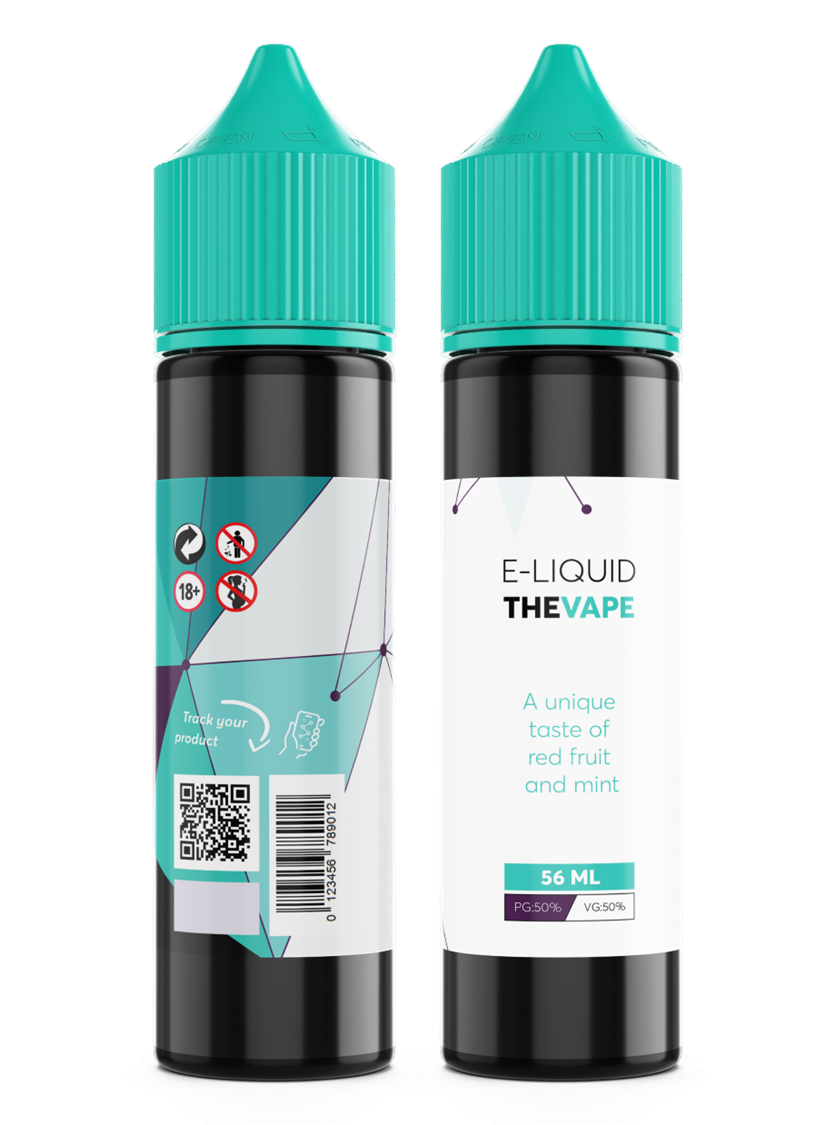
This means a single code can serve multiple purposes throughout a product’s lifecycle.
For consumers, a scan may provide access to product information, recycling guidance or customer support. For manufacturers, retailers and supply chain partners, the same code can provide access to traceability data, product authentication information, batch numbers, expiry dates and other operational data.
In other words, one product can have one digital product identity that serves multiple stakeholders, all through a single scan.
Turning Packaging into a Connected Touchpoint
Where permitted by applicable laws and authorised by the relevant authorities, connected packaging for novel tobacco & nicotine products can provide manufacturers with a controlled channel for sharing information and interacting with eligible adult consumers.
Rather than serving as a static container, packaging becomes a gateway to trusted digital content and services.
Momentum behind connected packaging continues to grow. According to the 2025 Global Connected Packaging Survey1 :
For tobacco & nicotine products manufacturers, this creates the technical foundation to support experiences such as:
- Product authentication and verification
- Detailed product and usage information
- Regulatory and compliance information
- Market-specific educational content
- Product support and consumer feedback
- Digital services for eligible adult consumers
- Loyalty and promotional programmes, where legally permitted
The same product identifier used to support traceability can therefore become a gateway to trusted digital information and authorised consumer interactions.
A Connected Foundation for Future Interaction
Connected packaging can create value across multiple functions, bringing together compliance, supply chain visibility and consumer engagement through a single digital infrastructure.
The same foundation can support traceability at the supply chain level while enabling approved information and services at the consumer level.
This allows manufacturers to:

Maintain a trusted connection between physical products and their digital identities

Adapt content as regulations, products or markets evolve

Gather feedback and improve consumer experiences
Manage digital content across products, regions and markets from a central platform
Drag to explore
Yet many organisations still manage these requirements through disconnected systems, multiple platforms, static URLs and separate codes.
A digital product identity changes that approach by assigning a unique digital identity to each product, manufacturers can manage product information, regulatory requirements, traceability, and authorised consumer engagement from a single connected platform.
Conclusion
As novel tobacco & nicotine categories continue to evolve, manufacturers must look beyond compliance requirements and consider how connected packaging can also support products throughout their entire lifecycle.
Where authorised, connected packaging can provide eligible adult consumers with more relevant information, product verification services and carefully governed digital experiences. At the same time, it enables manufacturers to manage product data, regulatory requirements and consumer interactions through a unified digital infrastructure.
The manufacturers best positioned for the future will be those that successfully combine compliance, connectivity and responsible innovation, creating trusted product experiences while respecting the regulatory frameworks designed to protect consumers.
Ready to Move Beyond Compliance?
Discover how connected packaging can help you deliver trusted information, strengthen consumer engagement and create more value from every product interaction.
Contact our experts to learn more.